
What Is Sparring in Boxing?
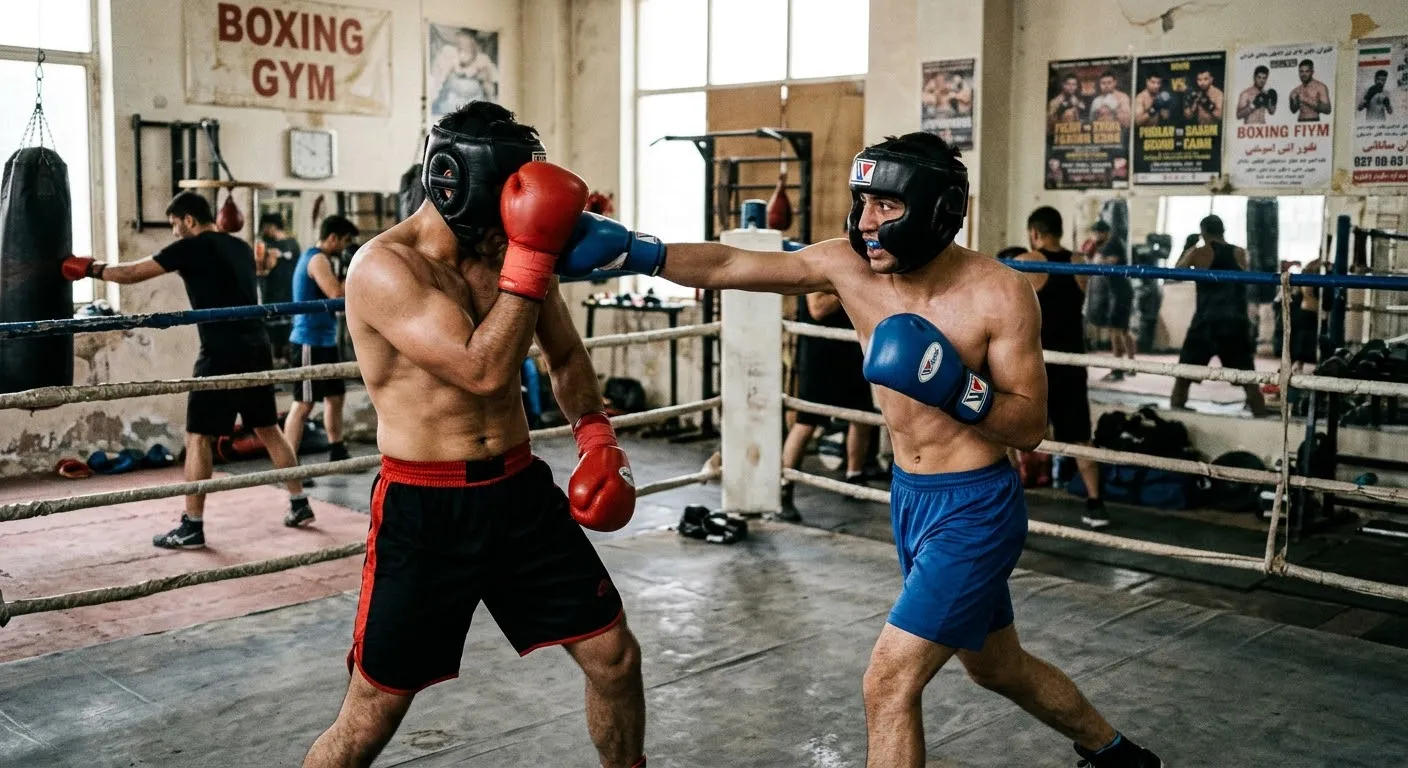
If you are new to boxing, you may wonder, Do you have to spar in boxing class? The answer depends on the gym and the type of program you choose. Sparring is a practice exercise where two boxers work against each other under controlled conditions. However, beginners can develop their basic skills through footwork drills, shadow boxing, bag work, and pad work before considering sparring.
Shadow boxing, bag work, and pad work are solo or coach-led drills. In shadow boxing, you move and throw punches against an imaginary opponent, focusing on form, balance, and combinations. Heavy-bag rounds develop power, endurance, and timing without a live partner. Pad work with a coach lets you practise accuracy and reactions while the coach controls the targets and intensity. None of these activities require you to receive punches from another person.
Do Beginners Have to Spar in Boxing Classes?
No. Do you have to spar in boxing class when you are new to the sport? Most beginner-friendly programs do not require it. The first weeks and months usually focus on stance, basic punches, defensive movement, footwork, and conditioning. Coaches typically introduce partner drills only after a student shows consistent control and understanding of the fundamentals.
Before you register, ask the coach or program coordinator how they organize the class. If you are wondering, do you have to spar in boxing class at a particular gym, clarify whether sparring is part of the regular session, optional, or reserved for more advanced students. That simple conversation prevents surprises and helps you decide if the environment matches your comfort level.
What Are Non-Contact Boxing Classes?
Non contact boxing classes focus on technique, movement, and conditioning without requiring participants to exchange punches with a partner. They can provide a practical starting point for adults who want to learn boxing skills without taking part in sparring.
Typical activities include:
- Shadow boxing for form, balance, and rhythm.
- Heavy-bag and speed-bag rounds to practise combinations and improve conditioning.
- Focus-mitt or pad work with a coach to develop accuracy and timing.
- Footwork and agility drills to improve movement and coordination.
- Strength and conditioning circuits tailored to boxing movements.
These sessions still teach the core skills of the sport. Beginners learn to throw a jab, cross, hook, and uppercut correctly while practising defensive movements such as slipping, blocking, and pivoting. Over time, they also build the cardiovascular fitness and muscular endurance that boxing demands. The main difference is that feedback comes from a bag, pads, or mirror work rather than an opponent’s gloves.
For beginners who prefer to build confidence gradually, non contact boxing classes offer a way to practise fundamental movements before deciding whether they want to explore contact-based training. However, the exact activities vary by gym, so it is worth confirming what a particular class includes.
Fitness Boxing vs Competitive Boxing
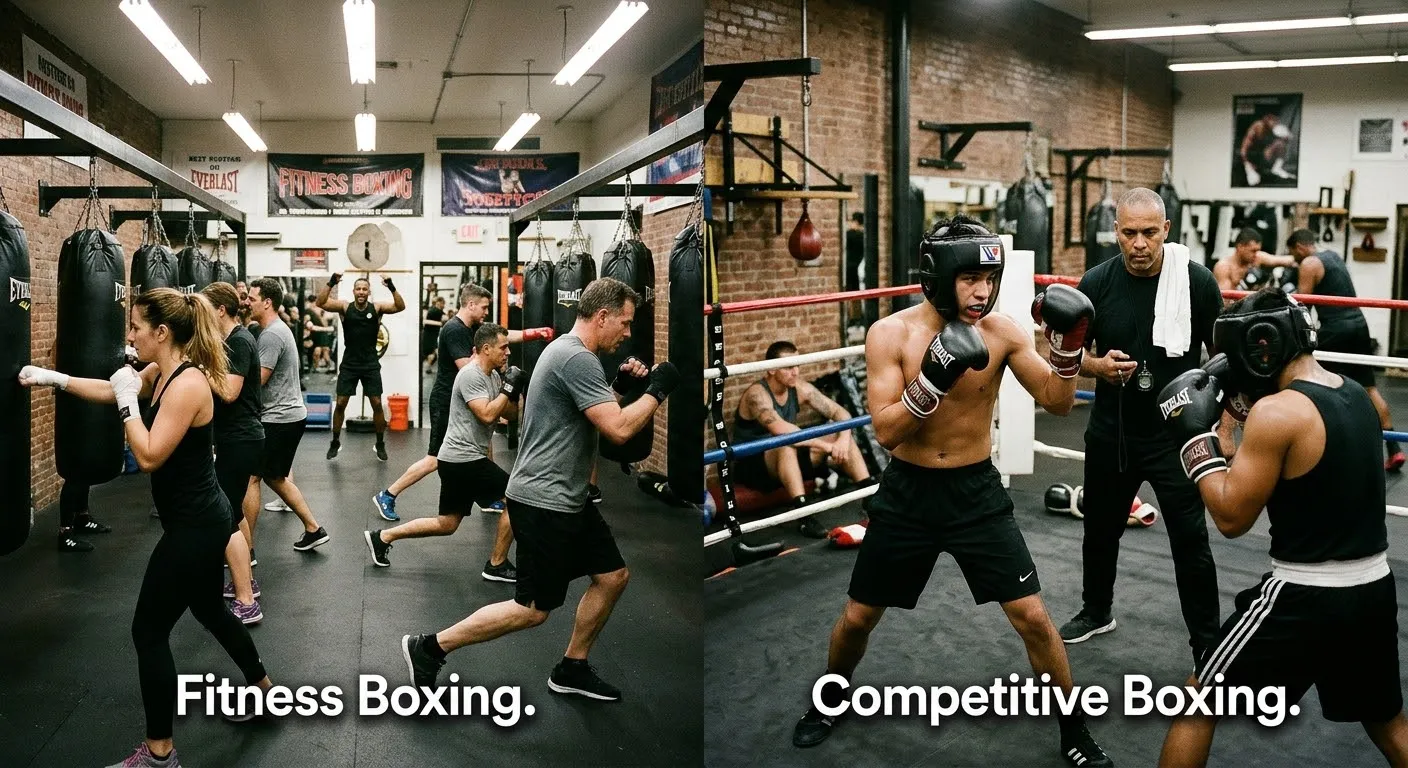
Fitness boxing and competitive boxing share many technical foundations but diverge in purpose and, often, in training methods.
Fitness-focused training emphasises cardiovascular conditioning, coordination, stress relief, and general athleticism. Sessions are often structured around rounds of bag work, shadow boxing, and conditioning. Contact, if present at all, may be limited or excluded. The primary measure of success is how the participant feels and progresses physically, rather than win-loss records.
Competitive boxing training prepares athletes for bouts. It includes the same technical and conditioning work but may add progressive partner drills, strategy sessions, and sparring under supervision. Intensity, recovery planning, and skill refinement are adjusted toward the demands of competition. Even within competitive programs, not every session involves sparring; many days remain technical or conditioning-focused.
Those interested in developing their skills toward competition can explore our competitive boxing training options and discuss their goals with a coach.
Comparison of Training Approaches
| Training type | Main goal | Typical activities | Is sparring required? | Who may prefer it? |
|---|---|---|---|---|
| Non-Contact Boxing | Technique, fitness, confidence | Shadow boxing, bags, pads, footwork, conditioning | No, if the class is genuinely non-contact | Absolute beginners and fitness seekers |
| Fitness Boxing | Overall conditioning and skill | Technical work, bags, pads, conditioning; sometimes partner drills | Usually not, but the program determines this | Adults seeking a challenging workout |
| Competitive Boxing | Bout preparation and skill development | Technical work, partner drills, strategy, and sparring | Often introduced at later stages | Athletes aiming for competition |
When Are You Ready to Start Sparring?
Do you have to spar in boxing class as soon as you learn the basics? No. Readiness is individual, and there is no universal timeline measured in weeks or months. Some people develop the necessary control relatively quickly, while others benefit from more time practising the fundamentals. The decision should reflect skill, confidence, communication, and the coach’s assessment rather than pressure to keep up with other students.
Several practical signs can help a coach and student discuss readiness:
- Consistent technique: You can maintain your stance, balance, and basic punches without losing control when tired.
- Following instructions: You respond promptly to coaching cues and can adjust your intensity when asked.
- Basic defensive habits: You understand guard recovery, footwork, and simple defensive movements.
- Mental comfort: You understand what controlled sparring involves and feel willing to participate.
- Open communication: You can discuss your goals, concerns, and any relevant physical limitations with your coach.
Mental readiness matters as much as physical skill. Some people feel prepared after a period of solid technical work. Others prefer to stay non-contact indefinitely and still gain substantial benefit from training. There is no requirement that every recreational boxer must eventually spar. The decision should be made voluntarily, with appropriate guidance from a qualified coach.
How to Approach Sparring Safely
If and when you choose to try sparring, preparation and supervision are important. Contact training carries a risk of injury, so it should be approached progressively rather than treated as a test of toughness.
Good practices to discuss with your coach include:
- Training under the supervision of a coach who understands progressive skill development.
- Choosing partners of appropriate size, experience, and temperament.
- Agreeing on intensity and rules before the round begins.
- Wearing suitable protective equipment, including a mouthguard, hand wraps, and properly fitted gloves; additional protection should follow the requirements of the program.
- Starting with short, low-intensity rounds and progressing only when appropriate.
- Stopping immediately if you experience pain, dizziness, unusual symptoms, or a loss of control, or if the coach ends the round.
No form of contact training is entirely risk-free. Good coaching aims to manage risks through preparation, supervision, suitable partners, and clear communication. You should never feel pressured to continue a session that feels unsafe or to participate in contact training before you are ready.
How to Choose the Right Boxing Class for Your Goals
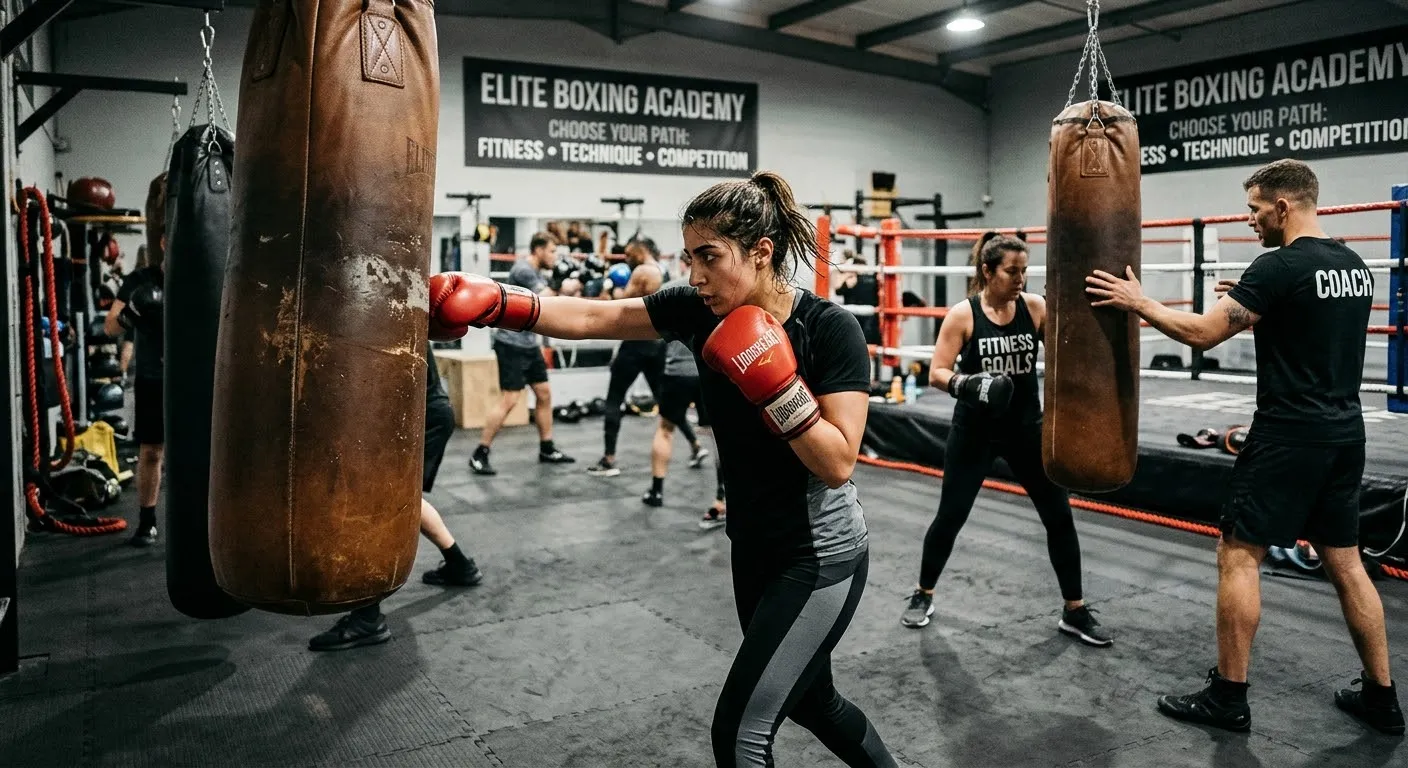
Before joining, consider these questions:
- Is sparring part of the regular beginner curriculum, optional, or reserved for later stages?
- Is the class designed primarily for fitness, technical skill, or competitive preparation?
- How does the coach assess when a student is ready for partner work?
- What protective equipment is required or recommended?
- Can I observe a session or try a trial class before committing?
If you are looking for a structured introduction to the sport, explore our adult boxing classes to learn more about training options for beginners.
If you are still wondering what happens during a beginner session, read our guide to your first boxing class before your visit.
Final Thoughts
Do you have to spar in boxing class to learn the sport and enjoy its benefits? For most adult beginners, the answer is no. Non contact boxing classes and fitness-oriented programs can help you develop technique, conditioning, and confidence without requiring partner contact. Sparring may become relevant when your goals and readiness point in that direction, but it does not have to be the first step.
When you are ready to take the first step, book a free trial and use the visit to discuss your goals and concerns about contact with a coach. That conversation can help you understand the available training options and decide which approach fits you best.
FAQ
Do beginners have to spar in boxing classes?
No. Many beginner programs focus on technique, movement, and conditioning first. Sparring may be introduced later, if appropriate, and the requirements depend on the gym and the student’s goals.
Can I learn boxing without sparring?
Yes. Shadow boxing, bag work, pad work, and footwork drills teach fundamental boxing skills. You can improve your technique and fitness without participating in sparring.
What is the difference between non-contact boxing and sparring?
Non-contact training uses bags, pads, and individual drills without requiring participants to exchange punches with a partner. Sparring involves two people practising against each other under agreed conditions. It introduces live timing, defensive reactions, and decision-making against a moving opponent.
When should a beginner start sparring?
A beginner should consider sparring only when their technique, control, and understanding of the rules are appropriate and they feel ready to participate. A qualified coach can help assess readiness, but there is no fixed schedule that applies to everyone.
Is sparring necessary for fitness boxing?
Usually not. Fitness-oriented classes generally emphasise conditioning, coordination, and technical practice. However, the exact structure varies by program, so check with the gym before joining.
What should I ask a coach before joining a boxing class?
Ask whether sparring is required or optional, how the class is structured for beginners, what protective equipment is used, and how the coach decides when students are ready for partner work. A trial class is a useful way to understand the environment firsthand.
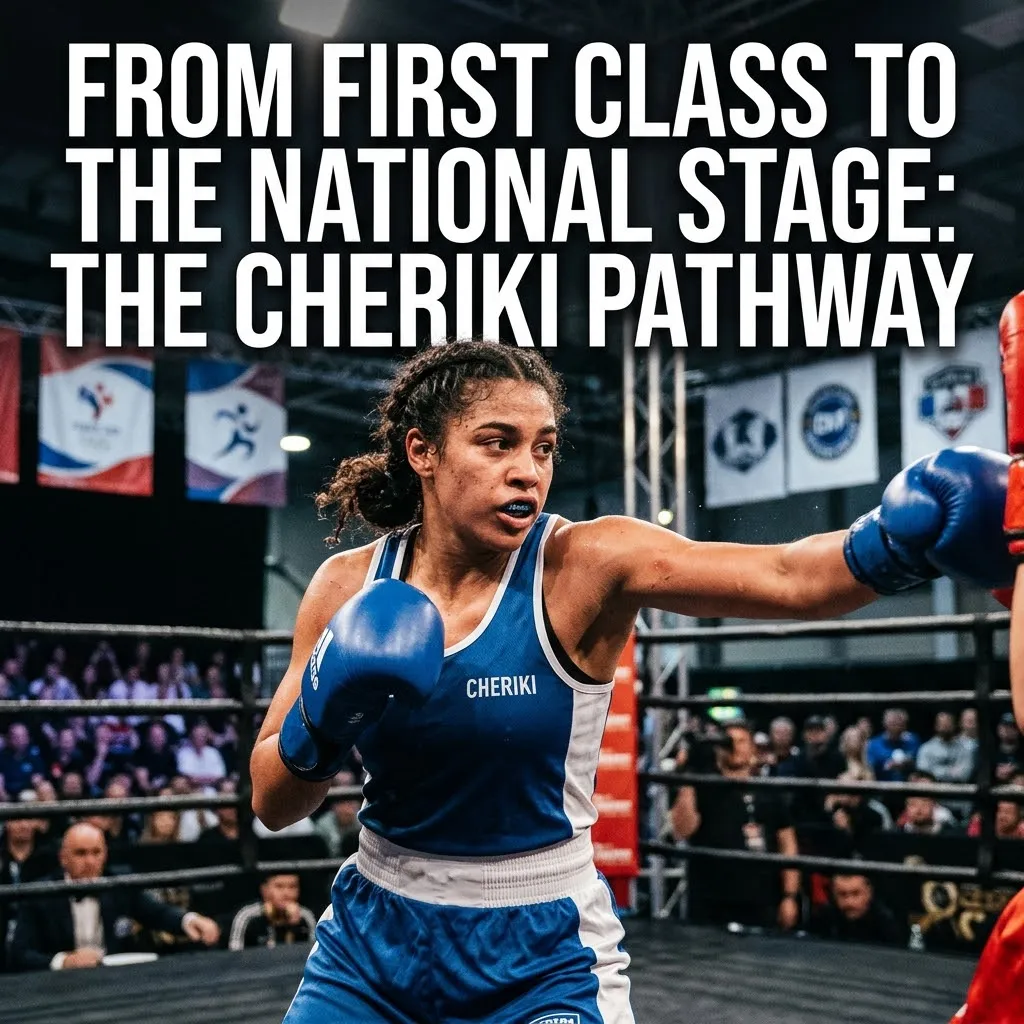
From First Class to the National Stage: The Cheriki Pathway
Every competitive boxer starts somewhere, and the journey toward becoming one of the Cheriki boxing champions begins with learning the fundamentals. For some athletes, that
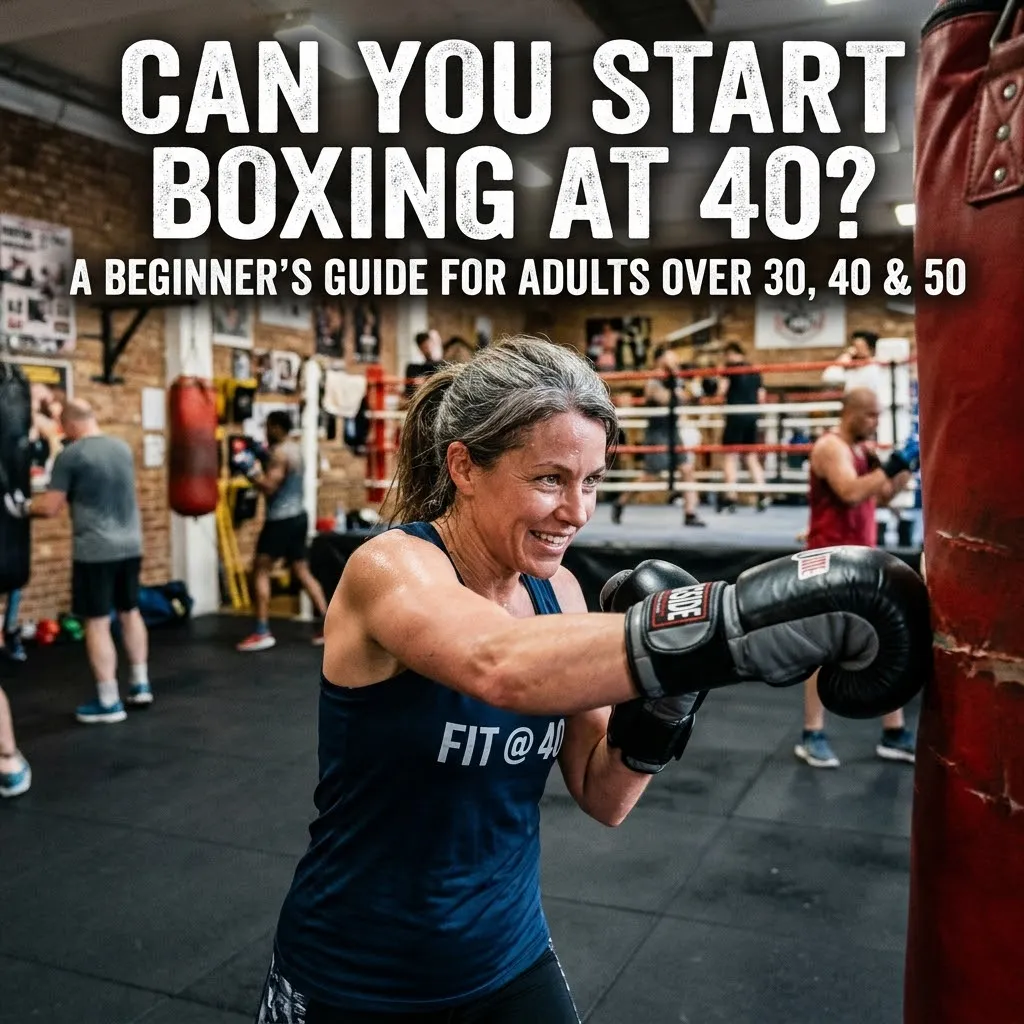
Can You Start Boxing at 40? A Beginner’s Guide for Adults Over 30, 40 & 50
Many adults wonder whether it is too late to learn a new sport once they reach their thirties, forties or fifties. The question comes up
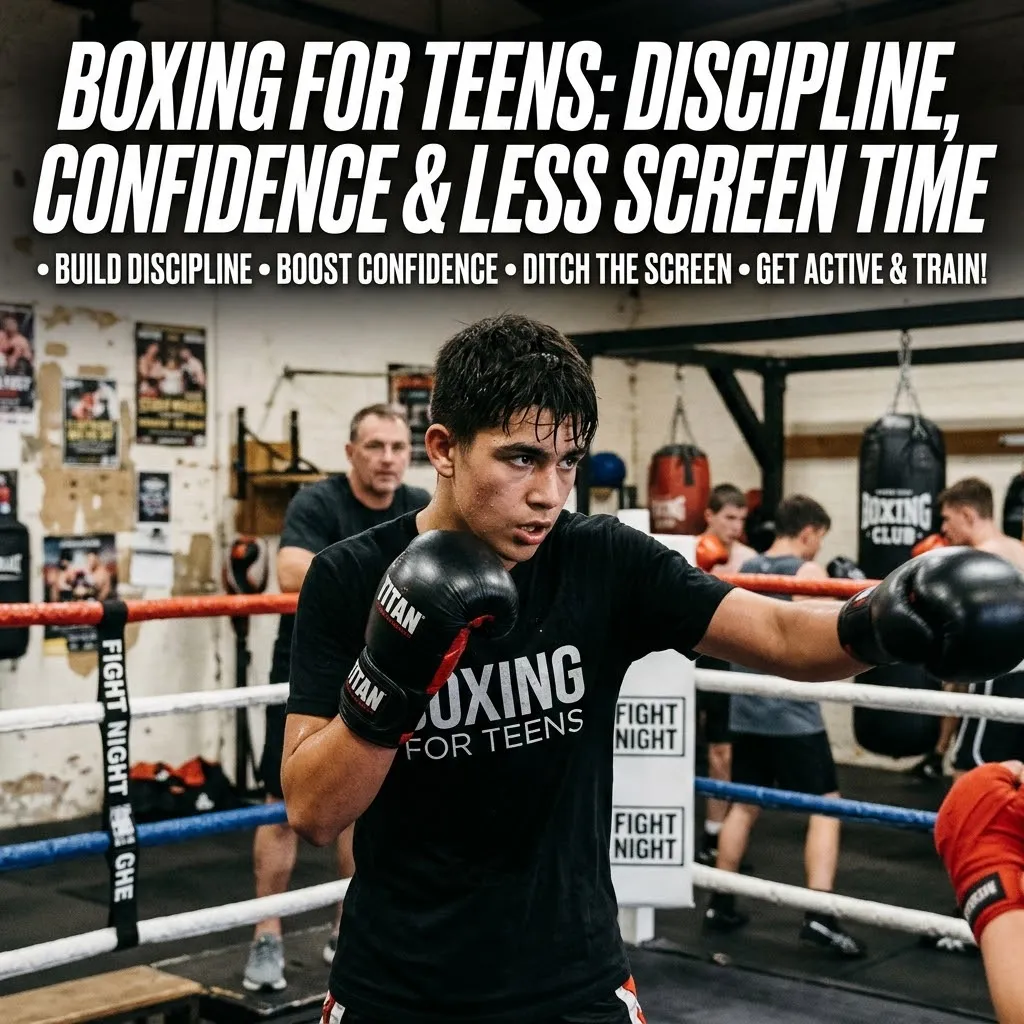
Boxing for Teens: Discipline, Confidence & Less Screen Time
Many parents notice that teenagers can struggle with focus, motivation and the constant pull of phones and screens. Structured physical activity can offer a practical