
You do not need a high fitness level or any previous martial arts background. Most beginner boxing class sessions focus on clear coaching, simple movements, and steady progress. The aim is to help you understand the structure, try a few fundamentals, and leave with a realistic picture of boxing training. Boxing classes for adults often welcome people of different ages and fitness levels, so the first session is designed to introduce rather than overwhelm.
What to Expect at Your First Boxing Class
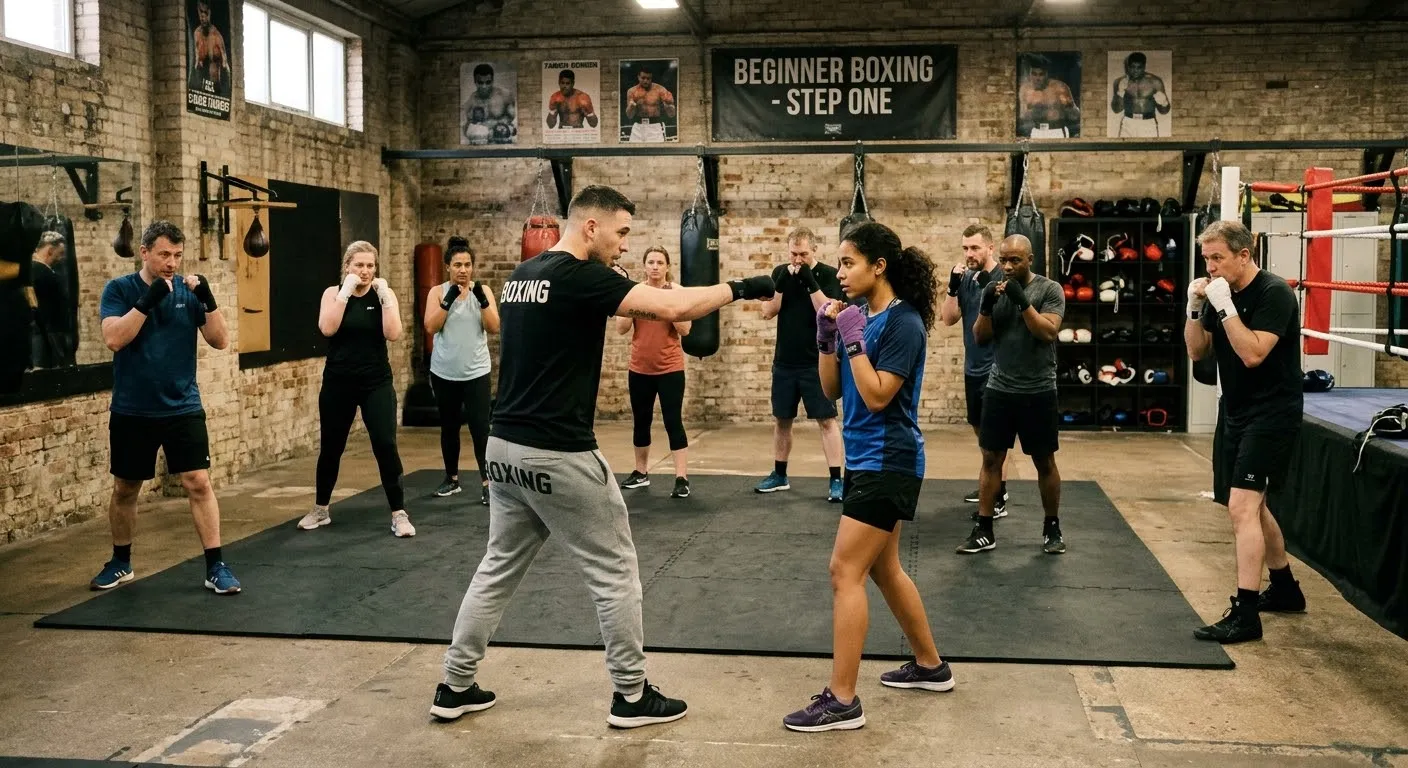
A first session usually starts with a short introduction. The coach may ask about any previous training or physical limitations. This helps them set a suitable pace for the group.
After the introduction, many classes move into a warm-up. Then comes instruction on stance, basic punches, and simple footwork. You will spend most of the time learning correct form instead of working at high intensity. Coaches normally watch closely and give corrections so you can build good habits from the beginning.
The following table shows how a beginner session may be organized. The exact order and duration can vary by academy, coach, and class format.
| Stage | What You May Do | Main Purpose |
|---|---|---|
| Introduction | Meet the coach and discuss your experience | Understand your starting point |
| Warm-up | Complete light cardio and mobility exercises | Prepare your body for movement |
| Basic technique | Practise stance, guard, and simple punches | Learn correct form |
| Footwork and drills | Practise moving and combining basic movements | Develop balance and coordination |
| Feedback | Receive coaching and corrections | Understand what to practise next |
Expect clear verbal cues and demonstrations. Other beginners will often be working on the same foundations. The overall atmosphere in a well-run beginner session tends to be supportive and focused on learning rather than competition.
Before Your First Class: How to Prepare
Arrive a few minutes early. This gives you time to find the training space, change if needed, and settle in without feeling rushed. Once the class begins, listen carefully to the coach’s instructions.
A little preparation can make your first visit feel more comfortable. Before you leave home, follow these simple steps:
- Confirm the class time and ask whether you need to bring your own gloves or hand wraps.
- Wear comfortable athletic clothing and supportive training shoes.
- Bring water and a small towel.
- Tell the coach about any injuries or movement limitations before training starts.
- Arrive early enough to ask questions and become familiar with the space.
Be honest about any injuries or movement limitations. Sharing this information allows the coach to adapt activities where appropriate. Set realistic expectations, too. Your first class is about learning the basics, not mastering them or matching the intensity of more experienced participants.
Bring an open attitude. Boxing rewards consistent effort more than natural talent in the early stages. Focus on following directions and staying present rather than comparing yourself to others in the room. Small steps taken with attention usually lead to better long-term progress than trying to do everything at once.
Warm-Up and Basic Boxing Techniques
A proper warm-up prepares your body for the movements ahead. It often includes light cardio, dynamic stretches, and simple mobility work for the shoulders, hips, and legs. This helps you prepare for training and move more comfortably when technique practice begins.
Your boxing stance forms the base of almost every movement. Many right-handed boxers stand with the left foot forward and the right foot slightly back. Knees stay soft, and weight remains balanced. The hands stay up near the face in a guard position to protect the head. Coaches teach this position early because other movements build from it. Small adjustments in foot placement or hand height can improve balance and control.
The jab is usually one of the first punches beginners learn. It is a straight punch thrown with the lead hand. The goal is to extend the arm with control while keeping the body balanced and the other hand up for protection. A good jab helps with distance, timing, and setting up other punches later. You will likely practise the jab on its own first, then combine it with simple footwork or short combinations. Focus on form rather than power.
Basic footwork helps you stay balanced and move without crossing your feet or losing position. Simple drills often involve stepping forward, back, and side to side while holding the stance. Good footwork supports both offence and defence and helps you move with greater control. Balance and coordination improve with repetition. Do not expect perfection in one session. The coach will break movements down and offer feedback as you go.
Will You Have to Spar in Your First Class?
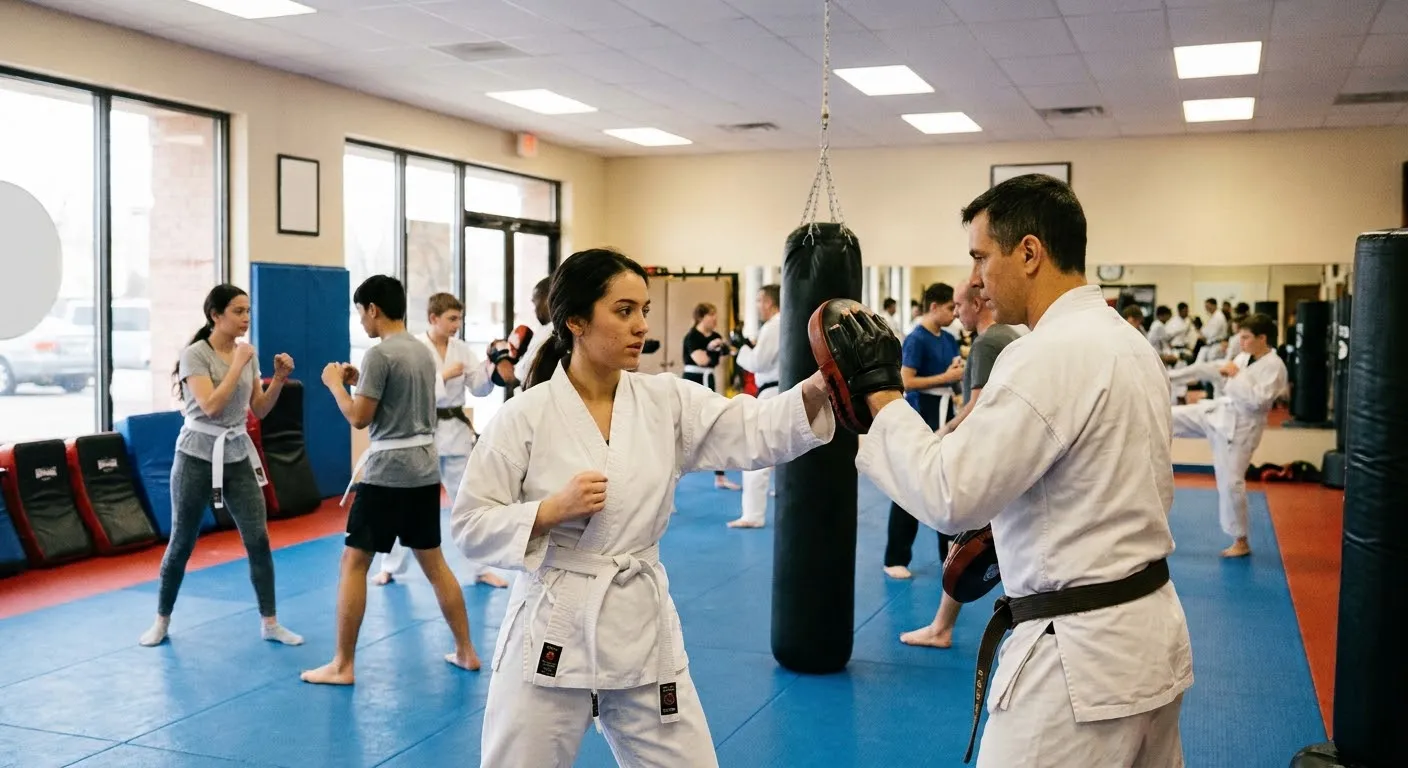
Sparring may not be part of your first class. Many beginner sessions focus on basic techniques and controlled drills instead. However, the structure can vary between gyms and programmes, so ask the coach what your session will involve before it begins.
Sparring means controlled practice with a partner under specific rules and protective gear. It is often introduced after students have developed basic technique, timing, and control. You should understand the activity and its expectations before taking part.
If you are unsure whether sparring is necessary for beginners, understanding the differences between contact and non-contact boxing classes can help you choose the right training environment.
Early classes may include non-contact or light-contact drills. You may hit pads or bags, or practise movements alone or with a partner at a distance. This approach lets you learn basic skills before trying partner activities that involve contact. If you feel unsure about an activity, speak with the coach. They can explain the purpose of each drill and discuss suitable options with you.
What to Wear to Boxing Class
Knowing what to wear to boxing class helps you feel more comfortable from the start. Choose athletic clothes that allow free movement. A T-shirt or moisture-wicking top paired with shorts or training pants works well for most people. Avoid baggy clothing that could get in the way and restrictive fabric that limits motion.
For your first session, consider bringing these items:
- Comfortable athletic clothing that allows you to move freely
- Supportive athletic shoes with good grip
- A water bottle to stay hydrated
- A small towel to manage sweat
- Boxing gloves or hand wraps, if the academy asks you to bring them
Many people train in cross-trainers or indoor court shoes, but the best option may depend on the gym’s rules and training surface. Some gyms provide gloves or hand wraps for first-time participants, while others expect students to bring their own. Because equipment policies can differ, contact the academy ahead of time to confirm what is provided. This helps you arrive ready to focus on learning.
How Often Should Beginners Box Per Week?
A frequent question is how often should beginners box per week. Starting with two to three sessions is a reasonable range for many adults, depending on their fitness, schedule, and recovery. This frequency allows enough practice to build skills while giving the body time to recover.
Your body needs time to recover between classes. It also needs time to adapt to new movements and training demands. Training too often at the beginning can lead to fatigue or minor strains that slow progress. Listen to how you feel after each session and adjust accordingly.
Consistency usually produces better results than intensity alone. Two focused sessions with good form may be more useful than four rushed or exhausting ones. As your fitness and technique improve, you can talk with your coach about whether to increase the number of weekly sessions.
For example, a beginner might plan two classes each week at first, then consider adding another session if recovery feels manageable. Boxing for beginners in Richmond Hill follows the same general principle: steady, regular practice supports continued learning and progress.
What Happens After Your First Boxing Class?
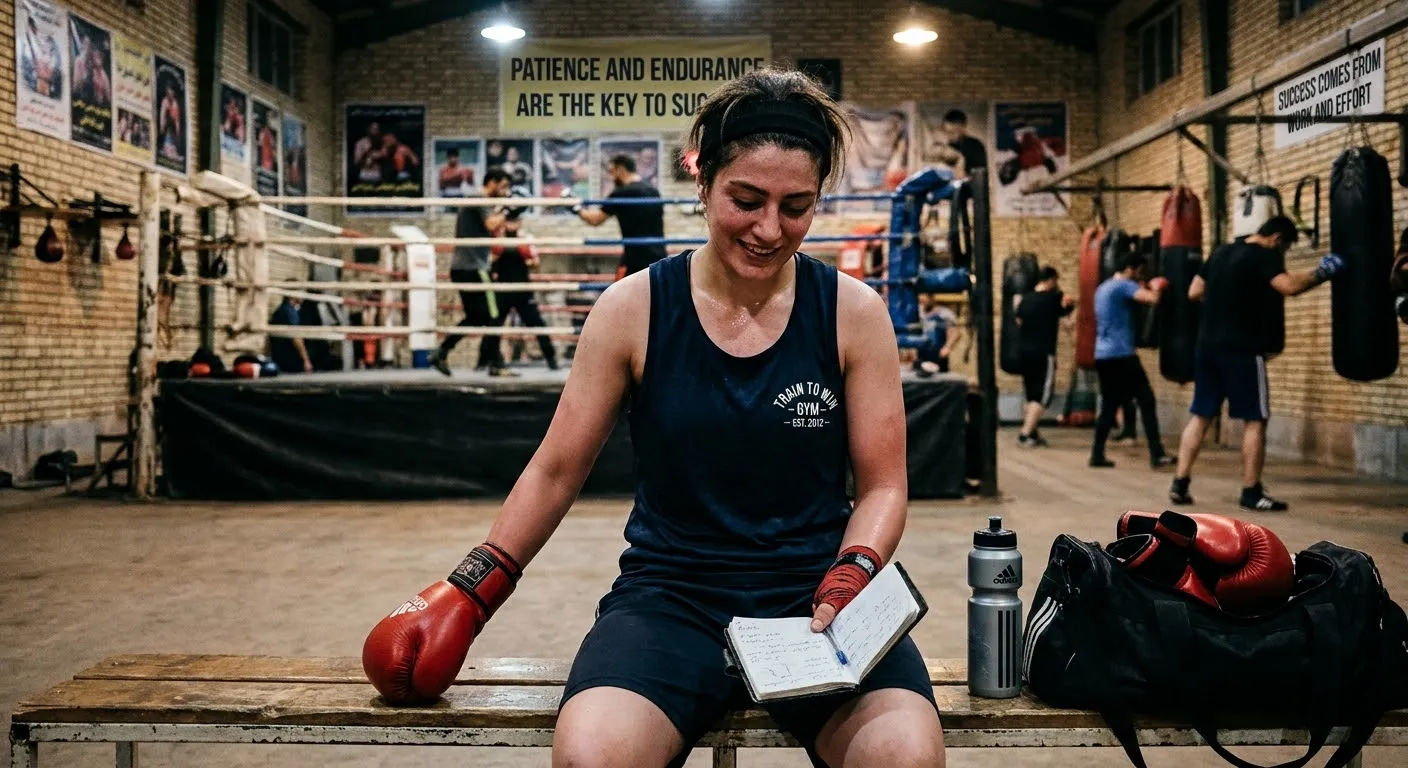
After the session, take a moment to notice how you feel. Many people leave with a clearer sense of the basic movements and a better understanding of the effort involved. You may notice mild muscle fatigue, especially in the shoulders, core, and legs. That reaction can be normal after new physical activity.
Reflect on what felt challenging and what made sense. Write down any questions for the next class. Progress in boxing is gradual. One session gives you an introduction, not mastery. You may find that some movements feel unfamiliar at first, but practice and coaching can help you improve over time.
If you enjoyed the experience and want to continue, look into the available boxing classes for adults. Regular training helps the techniques become more familiar and supports steady improvement in fitness and coordination.
Ready to Try a Boxing Class?
The best way to understand a beginner session is to experience one yourself. Cheriki Academy offers adult boxing classes in Richmond Hill that welcome newcomers. If you are ready to see the training environment and learn the fundamentals under a coach’s guidance, consider booking a free trial.
Frequently Asked Questions
Do I need to be fit before my first boxing class?
No. Beginner classes can accommodate a range of fitness levels, depending on the programme. Coaches can guide you through the basic movements and help you work at an appropriate pace. You can build conditioning over time through consistent practice.
What should I bring to a boxing class?
Wear comfortable athletic clothing and supportive shoes. Bring a water bottle and a towel. Confirm with the academy whether gloves or wraps are provided or whether you should bring your own.
Will I need to spar during my first session?
Sparring is not included in every beginner’s first class. Early training often emphasizes stance, basic punches, footwork, and controlled drills. Ask the coach what your session will involve and whether any contact activities are planned.
How many boxing classes should a beginner attend each week?
Two to three sessions per week can work well for many beginners, depending on fitness and recovery. This schedule supports learning while allowing time to rest. Adjust based on how your body responds and discuss options with your coach.
Can adults start boxing with no previous experience?
Yes. Many adults begin with no martial arts background. Clear coaching and a focus on fundamentals can make the sport accessible to complete beginners.

From First Class to the National Stage: The Cheriki Pathway
Every competitive boxer starts somewhere, and the journey toward becoming one of the Cheriki boxing champions begins with learning the fundamentals. For some athletes, that
Can You Start Boxing at 40? A Beginner’s Guide for Adults Over 30, 40 & 50
Many adults wonder whether it is too late to learn a new sport once they reach their thirties, forties or fifties. The question comes up
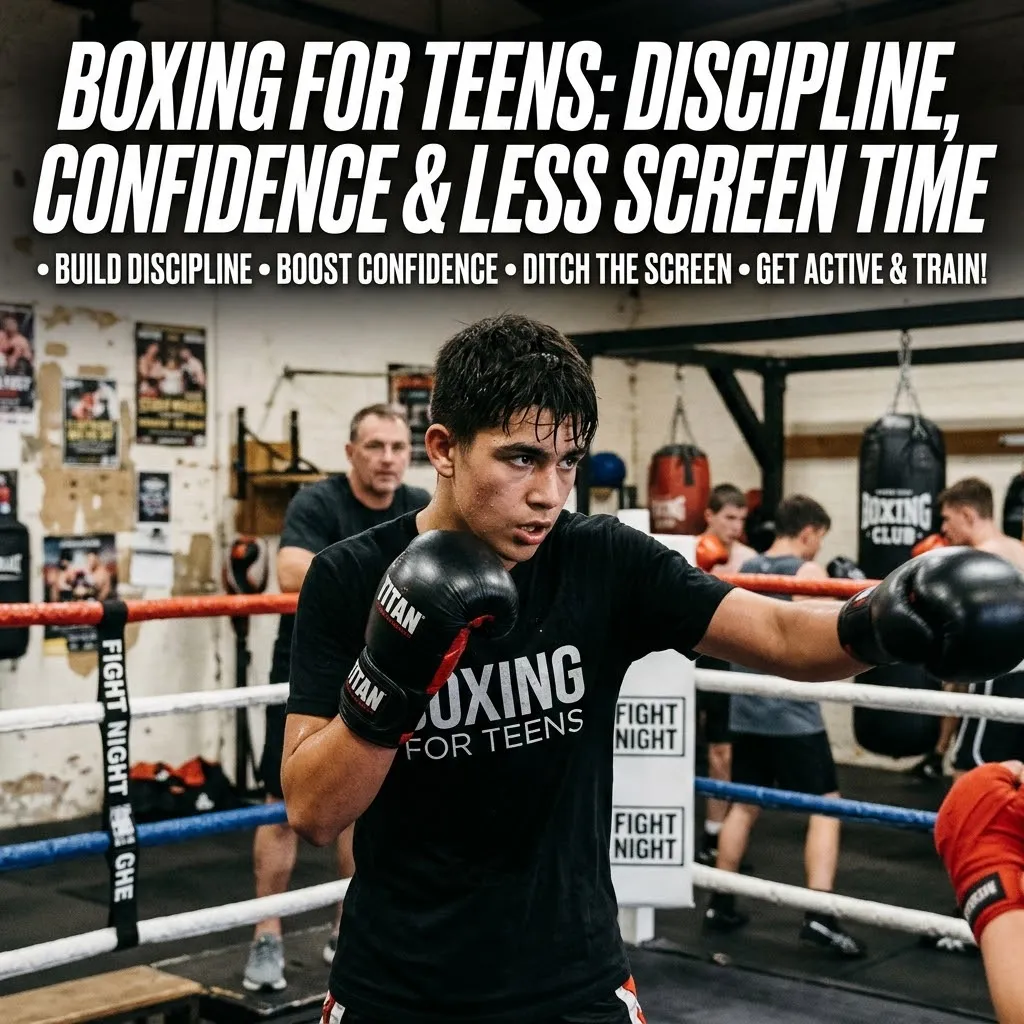
Boxing for Teens: Discipline, Confidence & Less Screen Time
Many parents notice that teenagers can struggle with focus, motivation and the constant pull of phones and screens. Structured physical activity can offer a practical