
Rather than trying to match someone else’s pace, beginners can focus on learning the fundamentals and building a routine that works for them. Choosing a suitable class, working with a supportive coach and allowing enough recovery can make the learning process more manageable.
Can You Start Boxing at 40? A Clear Answer for Adults Over 30
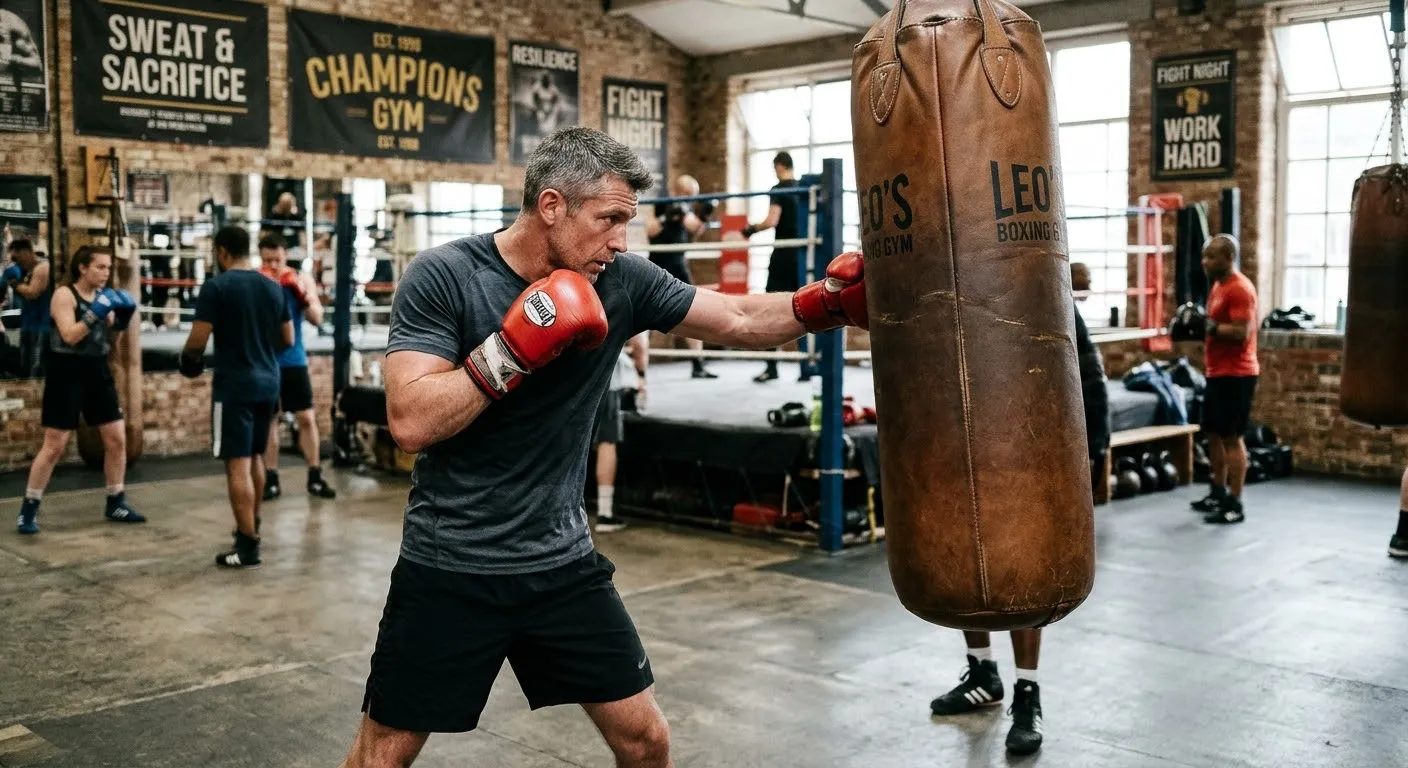
Can you start boxing at 40 and enjoy the process without pressure to perform like a younger athlete? Yes, many adults in their thirties, forties and fifties take up boxing to develop fitness, learn new skills or add variety to their exercise routine. Training can be adapted through changes in exercise selection, intensity and session length.
You do not need to arrive already fit or flexible. Early sessions typically introduce stance, footwork and basic punches at a controlled pace. Recreational boxing does not require a commitment to competition. The key is finding a class and coaching approach that match your current ability and goals.
Can You Start Boxing at 40? How to Prepare Before Your First Class
Preparing to begin does not require expensive equipment or months of conditioning beforehand. A few practical steps can help you feel more comfortable and communicate your needs to the coach.
If you are asking, can you start boxing at 40, begin by choosing a beginner-friendly class and setting a manageable pace.
Consider your goals and current activity level before enrolling. If you have been relatively inactive, starting with fewer sessions and allowing more recovery may be sensible. If you already exercise regularly, you may be familiar with training routines, although boxing still involves learning new movements and coordination.
Use these steps to prepare for your first session:
- If you have an existing injury or a relevant medical condition, ask a healthcare professional about any precautions before starting.
- Wear comfortable athletic clothing and suitable training shoes.
- Arrive a few minutes early to explain your experience level and goals to the coach.
- Bring water and be ready to learn at a comfortable pace.
- Ask which equipment is provided and whether you need your own gloves or hand wraps.
These preparations can reduce uncertainty and help the coach guide you through the session.
Can You Start Boxing at 40 Safely? Understanding Injury Risks
It is reasonable to consider injury risks when beginning a new sport, particularly if you are returning to exercise after a long break. Your current fitness, previous injuries, training intensity and recovery habits can influence how your body responds. Boxing involves physical demands, and no training format can eliminate every risk.
The type of training matters. Recreational sessions focused on technique differ from competitive preparation and activities involving direct contact. A responsible coach should explain the class format and help beginners build skills gradually.
Technique, Bag Work, Conditioning and Sparring
Technique drills and shadow boxing help beginners practise movement and form. Heavy-bag work provides an opportunity to practise punches, while conditioning exercises develop general fitness.
Sparring involves practising against another person and introduces additional contact-related risks. It is not automatically required in every beginner class. Ask the academy what its classes involve if you prefer to avoid contact training.
Keep these safety considerations in mind:
- Warm up before training and follow the coach’s instructions.
- Prioritise technique over speed and power when learning.
- Tell the coach if an exercise causes unusual or sharp pain.
- Use appropriate protective equipment and follow gym rules.
- Allow recovery time between demanding sessions.
If you have an injury or health condition that could affect exercise, discuss appropriate precautions with a healthcare professional and inform your coach about relevant limitations.
Choosing a Training Format That Fits Your Goals
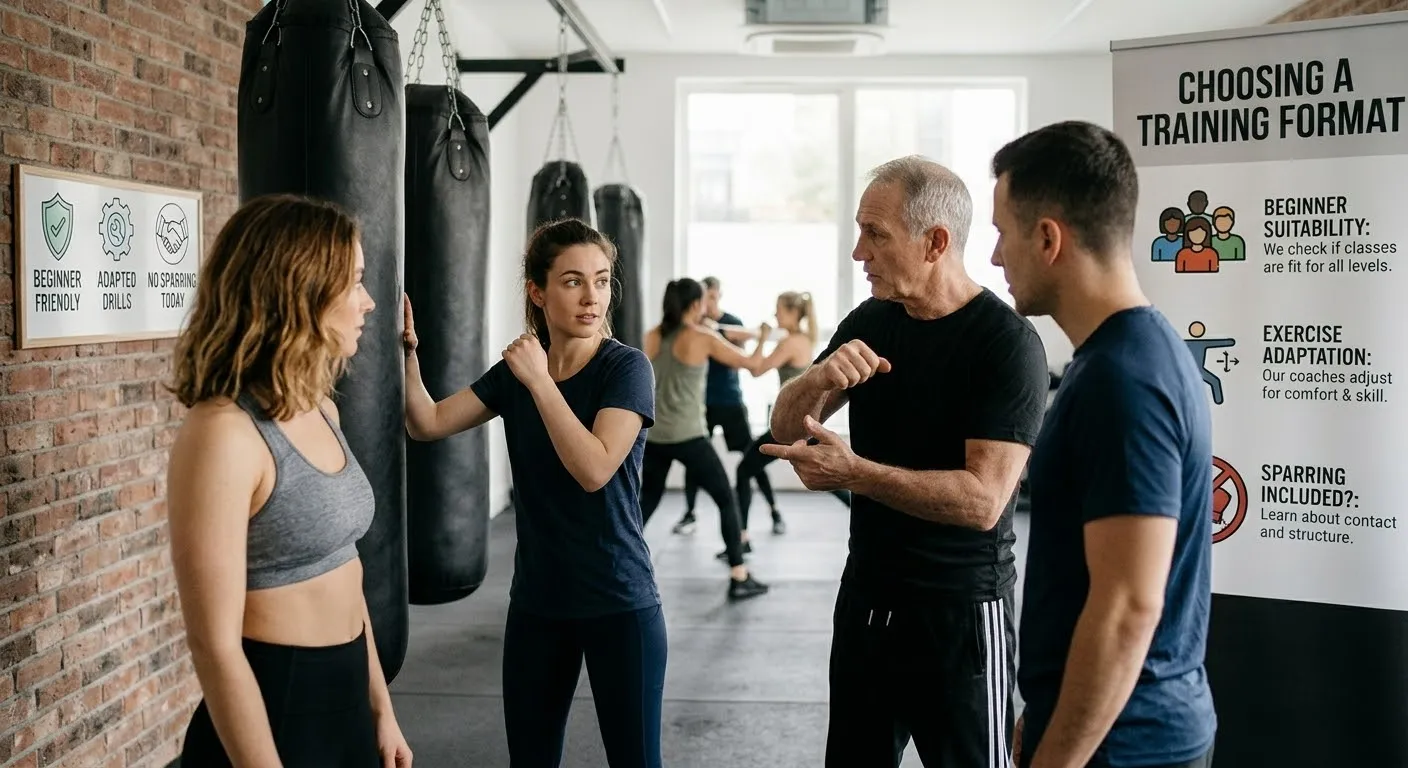
Before joining, ask whether the adult class is suitable for complete beginners, how exercises are adapted and whether sparring is included. Understanding the class structure can help you decide whether it matches your comfort level and goals.
Can You Start Boxing at 40 and Learn the Fundamentals?
Can you start boxing at 40 and still learn the fundamentals that younger beginners practise? Yes. Early classes typically introduce stance, guard position, basic footwork and the core punches: jab, cross, hook and uppercut. Coaches may break movements into smaller steps to help beginners develop balance and coordination.
As you become more familiar with the basics, sessions may include simple combinations, defensive movements and conditioning drills. Progress can be measured by improved technique, balance and the ability to follow combinations rather than by punching power.
People learn at different rates. Previous sports experience, mobility and coordination can all affect the process. A supportive coach should help you develop your own skills rather than compare you with younger athletes or experienced boxers.
Can You Start Boxing at 40 With a Realistic Weekly Schedule?
Consistency is generally more useful than trying to do too much at the beginning. For anyone asking “can you start boxing at 40,” two manageable sessions a week may be a more realistic starting point than daily training.
The following schedule is an example, not a prescription. Adjust it according to your experience, energy levels and recovery.
| Day | Activity | Main focus |
|---|---|---|
| Monday | Boxing class | Technique and light bag work |
| Tuesday | Rest or easy walk | Recovery |
| Wednesday | Boxing class | Footwork and combinations |
| Thursday | Rest or gentle mobility | Recovery |
| Friday | Optional light shadow boxing | Practising familiar movements |
| Saturday | Rest or optional easy activity | Comfortable movement |
| Sunday | Rest | Recovery and planning |
Some beginners may prefer one or two sessions a week, while others may gradually build towards three. Sleep, work commitments, previous training experience and recovery all influence what is realistic.
What Progress Looks Like for Adults Starting Boxing Later
Progress usually comes from repeated practice rather than a dramatic change after one session. At first, you may concentrate on remembering your stance, maintaining balance and coordinating movements. With continued practice, familiar combinations may become easier to follow.
Compare your current skills with your own earlier performance rather than measuring yourself against younger or more experienced participants. Individual results vary according to attendance, coaching and recovery.
Boxing can also provide a structured activity that gives you time away from daily routines. However, individual experiences differ, and no particular fitness or psychological outcome is guaranteed.
Verified member stories with explicit consent were not provided for this article, so no individual results or personal testimonials are presented as real experiences.
Boxing Classes for Over 40 at Cheriki Boxing Academy in Richmond Hill
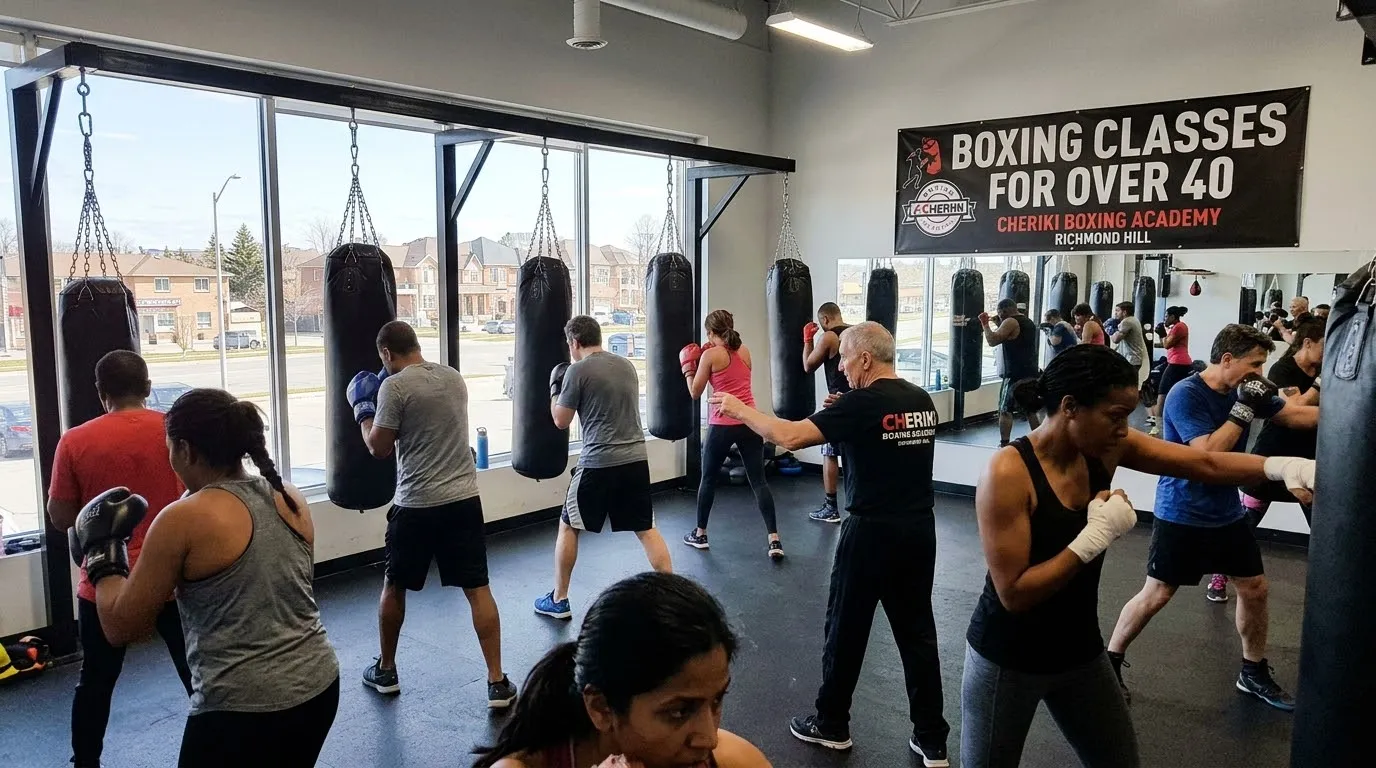
For adults looking for boxing classes for over 40, finding a suitable environment is an important part of getting started. Cheriki Boxing Academy is an option for adults interested in learning boxing and developing their skills.
Before choosing a class, ask about the program structure, expected fitness level, equipment requirements and whether contact activities are included. These details can help you decide whether the program matches your goals and comfort level.
You can review the academy’s adult training options on its Adult page. Before committing to a membership, consider asking about available class times and the process for trying a session. Confirming these details directly with the academy helps you make an informed decision.
When you are ready to explore the next step, Book a Free Trial to ask about the program, meet the coaching team and find out whether a class is suitable for you.
Frequently Asked Questions
Can you start boxing at 40?
Yes. Many adults begin boxing in their forties. Choosing a suitable class, learning gradually and allowing enough recovery can help make the experience more manageable.
Do I need to be very fit before starting boxing?
No. Beginner classes can introduce movements progressively. However, the intensity and structure vary between programs, so ask about the class before enrolling.
How many times per week should a beginner train?
One or two sessions a week may be a reasonable starting point for some beginners. The appropriate frequency depends on your experience, schedule and recovery.
Is sparring required in beginner boxing classes?
Not necessarily. Some beginner classes focus on technique, movement, conditioning and bag work without sparring. Ask the academy about its class structure before joining.
Is it realistic to start boxing at 50?
Age alone does not automatically prevent someone from learning boxing. Adults in their fifties can explore beginner training while considering their individual fitness, health and recovery needs.

From First Class to the National Stage: The Cheriki Pathway
Every competitive boxer starts somewhere, and the journey toward becoming one of the Cheriki boxing champions begins with learning the fundamentals. For some athletes, that
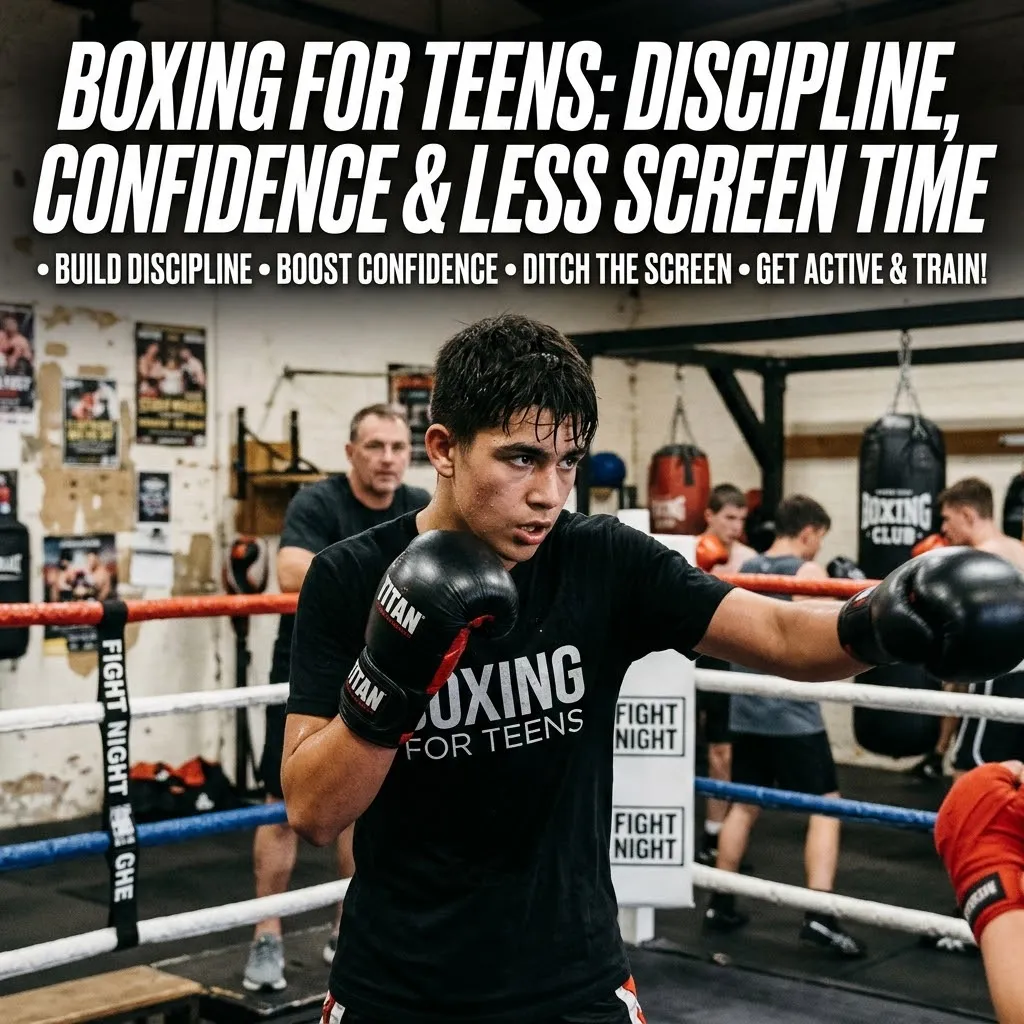
Boxing for Teens: Discipline, Confidence & Less Screen Time
Many parents notice that teenagers can struggle with focus, motivation and the constant pull of phones and screens. Structured physical activity can offer a practical

How to Join an Amateur Boxing Club in Ontario: From First Class to Nationals
Anyone researching how to start amateur boxing Ontario needs a clear understanding of the steps between joining a gym and entering a sanctioned competition. The