
What Boxing for Kids Confidence Means for Teenagers
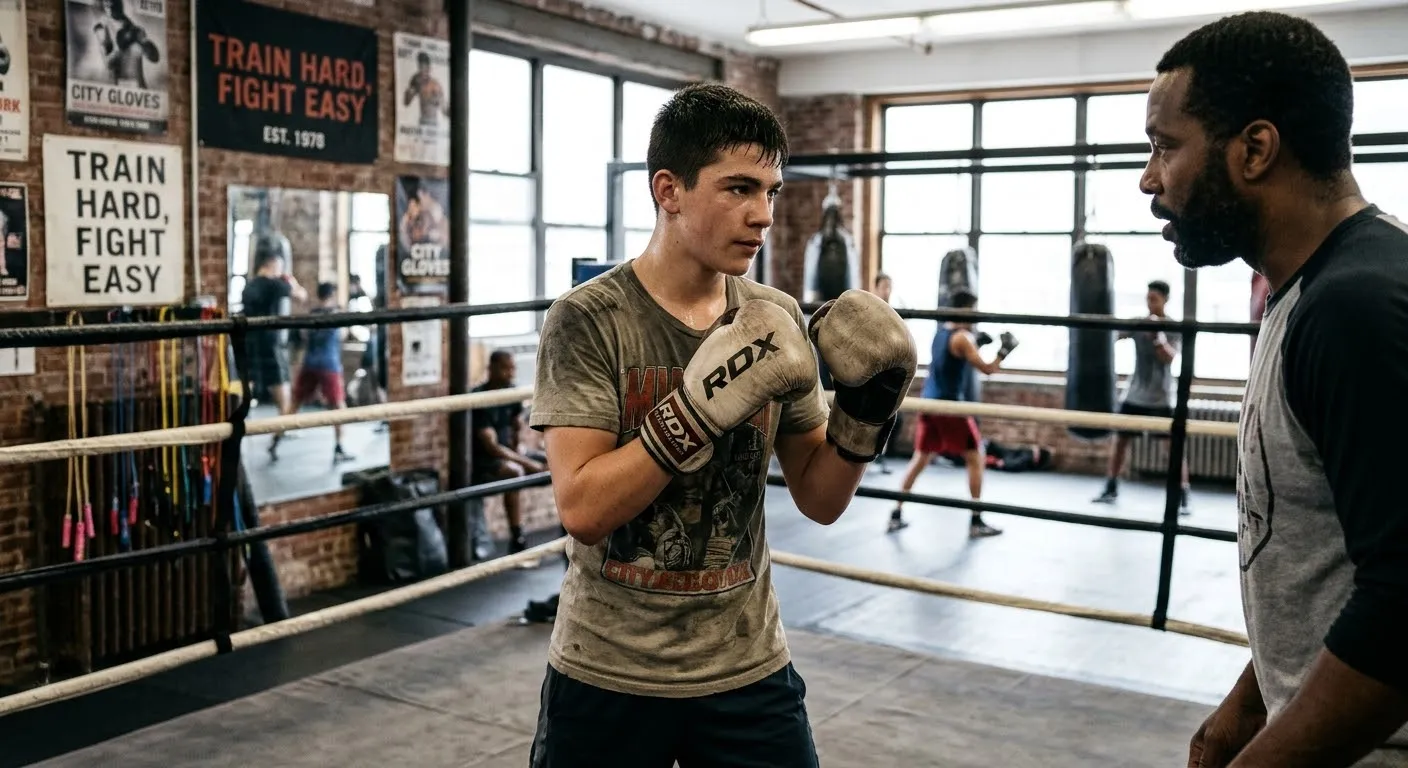
Teenagers are developing greater independence while managing schoolwork, friendships and changing interests. A sport can provide structure, opportunities to practise skills and goals to work toward.
Boxing involves more than throwing punches at a bag. Sessions may include stance, footwork, coordination, technique and conditioning. Parents researching teen boxing benefits should focus on realistic outcomes: a well-organised class can encourage physical activity, skill development and gradual progress, although results vary between individuals.
The right program should suit the teenager’s age, interests, experience and comfort level. A young person who enjoys movement and learning new skills may respond differently from someone who feels pressured to participate.
How Teenagers’ Needs Differ from Younger Children and Adults
Teenagers may want greater independence, clear explanations and opportunities to track their progress. A suitable class should provide appropriate challenges, respectful coaching and instruction adapted to participants’ experience.
Parents can ask how coaches introduce beginners and support progression. It is also important to consider the teenager’s own motivation. Involving them in choosing an activity can make regular participation more enjoyable.
For families exploring boxing for kids confidence, choosing a program suited to a teenager’s age and experience is an important first step.
Discipline and Focus: Boxing for Kids Confidence
Boxing sessions usually follow a structure. Participants warm up, practise movements, repeat combinations and follow instructions. These activities create opportunities to develop patience, consistency and attention.
Many parents exploring boxing for kids confidence find that clear expectations can help teenagers practise routines and take responsibility for learning. However, discipline does not develop automatically from attending classes; it depends on the coaching environment and the teenager’s engagement.
Building Focus Through Consistent Practice
Learning boxing techniques requires attention to foot placement, balance, hand position and instructions. Repetition helps participants recognise mistakes and make adjustments.
These tasks give teenagers opportunities to practise concentration and understand that improvement often comes from small corrections. However, boxing should not be presented as a guaranteed way to improve academic performance or attention.
Building Confidence Through Boxing for Kids Confidence
Confidence can grow when people learn unfamiliar skills and recognise their progress. A beginner might start with a basic stance, then practise footwork and simple combinations.
For some teenagers, this process provides a sense of achievement and shows them that improvement takes practice.
How Steady Progress Supports Self-Assurance
In reality, boxing for kids confidence develops through steady practice, supportive feedback and achievable goals rather than a single impressive result.
Coaches can encourage effort, explain corrections clearly and create an environment where teenagers can ask questions without embarrassment. Parents can reinforce this approach by recognising progress instead of focusing only on performance. Progress might mean remembering a technique, feeling more comfortable in class or attending consistently.
Screen-Time Balance and Boxing for Kids Confidence
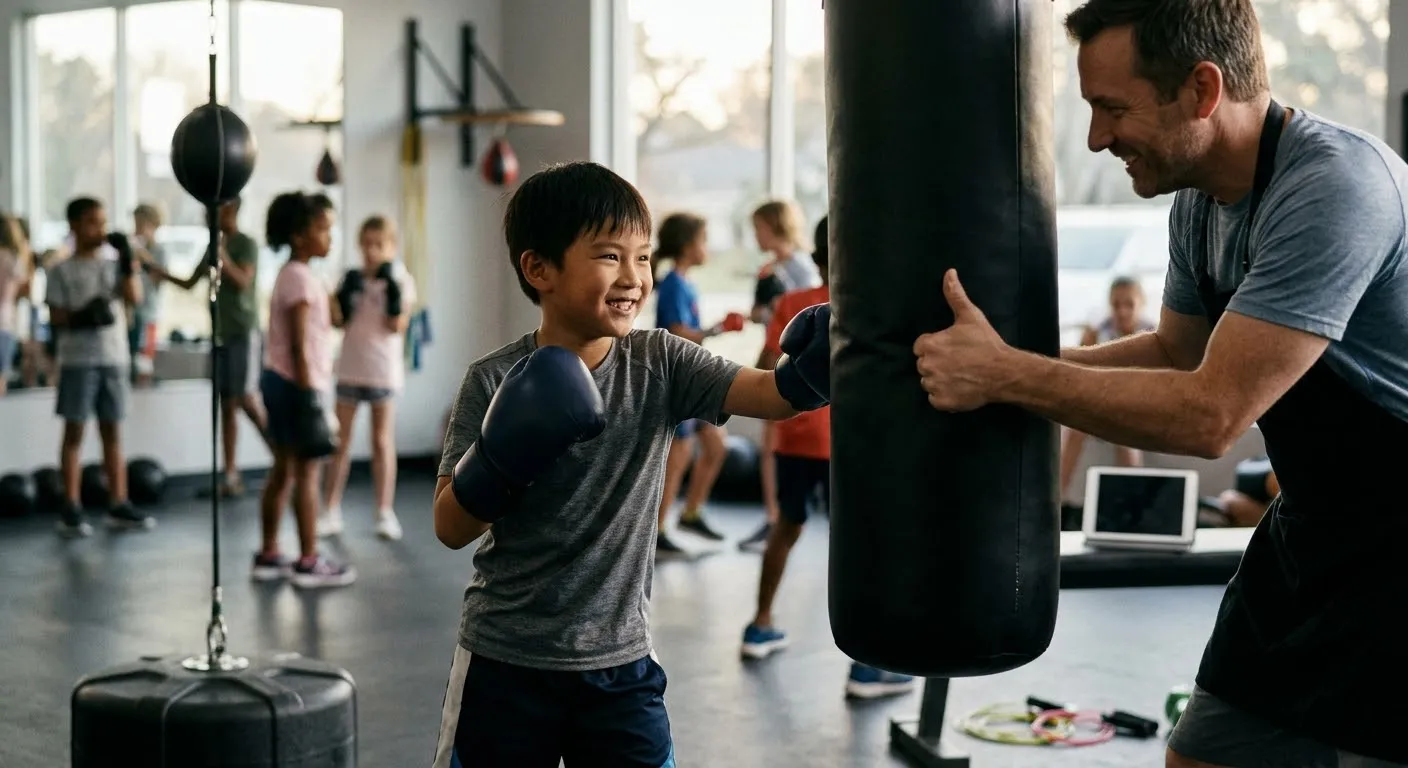
Phones, games and online entertainment are part of modern teenage life. However, long periods of sitting can leave less time for physical activity, sleep, family interaction or hobbies.
Families interested in boxing for kids confidence may appreciate that scheduled sessions provide an opportunity to move, learn and interact with others away from screens. Training works best as part of a balanced routine, not as punishment for using technology.
| Passive Screen Time | Structured Boxing Training |
|---|---|
| Often involves extended sitting | Provides an opportunity for physical movement |
| May involve limited face-to-face interaction | Can include coaching and interaction with others |
| Follows personal entertainment preferences | Includes specific skills and session goals |
| Can be difficult to balance without a routine | Creates a scheduled activity outside the home |
This comparison does not mean all screen time is unhelpful or boxing suits every teenager. Online learning and staying connected with friends can also be valuable.
Realistic Expectations About Screen Time
A boxing class will not automatically reduce phone use. Families may need practical routines, such as setting aside time for exercise, keeping devices away during meals or protecting bedtime.
Teenagers should have a say in these changes. Training should complement school, rest and social activities rather than crowd them out.
Boxing for kids confidence should complement other healthy habits, including adequate sleep, schoolwork and time with family.
Getting Started with Teen Boxing Classes
Starting a new sport can feel intimidating. Parents can make the first step easier by finding out what a session involves and allowing their teenager to ask questions.
Before choosing a program, consider these steps:
- Discuss interests. Find out whether the teenager wants to improve fitness, learn boxing skills or explore competition.
- Ask about class structure. Confirm age ranges, beginner options and coaching arrangements.
- Check equipment requirements. Ask whether gloves and hand wraps are needed and whether equipment can be borrowed.
- Review practical details. Confirm schedules, fees, registration and trial conditions.
- Talk after the first visit. Ask what felt comfortable, what was challenging and whether they would like to return.
Parents can explore the Teen Boxing Classes in Richmond Hill page for information about Cheriki Academy’s teen program. Confirm current class times and availability with the academy before attending.
Progress Pathways and the Elite Program
Some teenagers may want to develop their skills beyond introductory training. They should first learn fundamental techniques and progress at a pace suited to their experience and ability.
Cheriki Academy provides information about its competitive boxing program. However, competitive training is not an automatic next step for every teen. Readiness, commitment and program requirements should be discussed with the coaching team.
Some teenagers may prefer recreational training and fitness, while others may enjoy working toward competition. Both can be worthwhile when expectations and training are appropriate.
Safety Comes First in Boxing for Kids Confidence Programs
Boxing can carry a risk of injury, particularly when training includes contact. Protective equipment and supervision can help manage risks, but cannot eliminate them completely.
Parents should ask how activities are adapted to each teenager’s age and experience, what equipment is required and how coaches decide when participants are ready for more demanding exercises.
A program focused on boxing for kids confidence should make safety, respect and gradual skill development priorities.
What Responsible Coaching Looks Like
Parents can ask the academy:
- How are sessions supervised?
- Which protective equipment is required?
- How are partner drills and physical contact managed?
- How is readiness for advanced activities assessed?
- What happens if a participant experiences discomfort or an injury?
- Are there health or participation requirements families should know about?
Programs that prioritise boxing for kids confidence should also emphasise respect, technical foundations and appropriate progression. The focus should not be on pushing every teenager toward contact or competition.
If a teenager has a health concern or previous injury, parents should discuss participation with an appropriate healthcare professional and the academy.
Parents can also read the academy’s article “Is Boxing Safe for Kids?” once its correct URL has been confirmed.
Training Options at Cheriki Boxing Academy
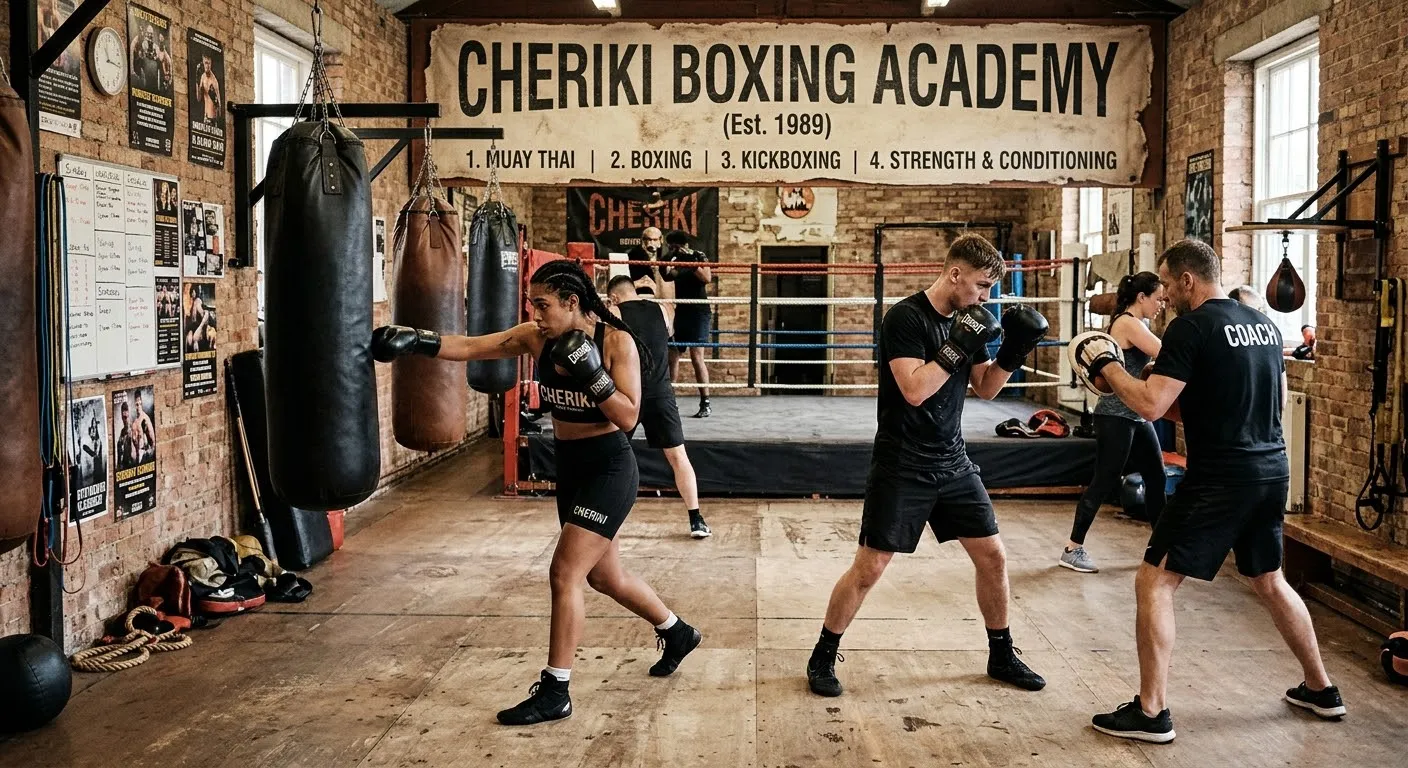
Cheriki Academy offers a teen boxing program in Richmond Hill. Parents can review the Teen Boxing page and ask which sessions suit their teenager’s age, experience and goals.
Potential teen boxing benefits include opportunities to practise coordination, follow instructions, work toward achievable goals and take part in physical activity. These are possibilities rather than guaranteed outcomes.
Before enrolling, families should confirm the current timetable, fees, class requirements and equipment arrangements. They can also ask whether a trial visit is available.
Choosing Boxing for Kids Confidence at Cheriki Academy
Choosing a sport means finding an environment where a teenager can learn, feel respected and develop at a suitable pace. Boxing may suit young people interested in physical activity, skill-based practice and structured training, but it is not the only way to build healthy habits.
The idea behind boxing for kids confidence is that competence grows through deliberate practice. Learning the basics, receiving useful feedback and recognising small improvements can make the process rewarding.
Parents should discuss their teenager’s interests, confirm program details and ask about coaching and safety before deciding whether the class is a good fit.
Ready to take the first step? Visit the Book a Free Trial page to ask Cheriki Academy about current teen program availability, trial conditions and suitable class times.
Frequently Asked Questions
1. What are the benefits of boxing for teenagers?
Boxing can offer opportunities to improve physical fitness, practise coordination, learn techniques and work toward personal goals. Results vary by individual and training environment.
2. Can boxing help teens improve discipline and focus?
Structured sessions involve following instructions and practising skills repeatedly. These activities provide opportunities to develop attention and consistency, although improvements outside the gym are not guaranteed.
3. Is boxing safe for teenagers?
Boxing carries a risk of injury, especially during contact activities. Parents should ask about supervision, protective equipment, contact rules and appropriate progression.
4. Can boxing help teenagers spend less time on screens?
A scheduled class creates an opportunity to move away from devices, but reducing overall screen time may also require a balanced daily routine.
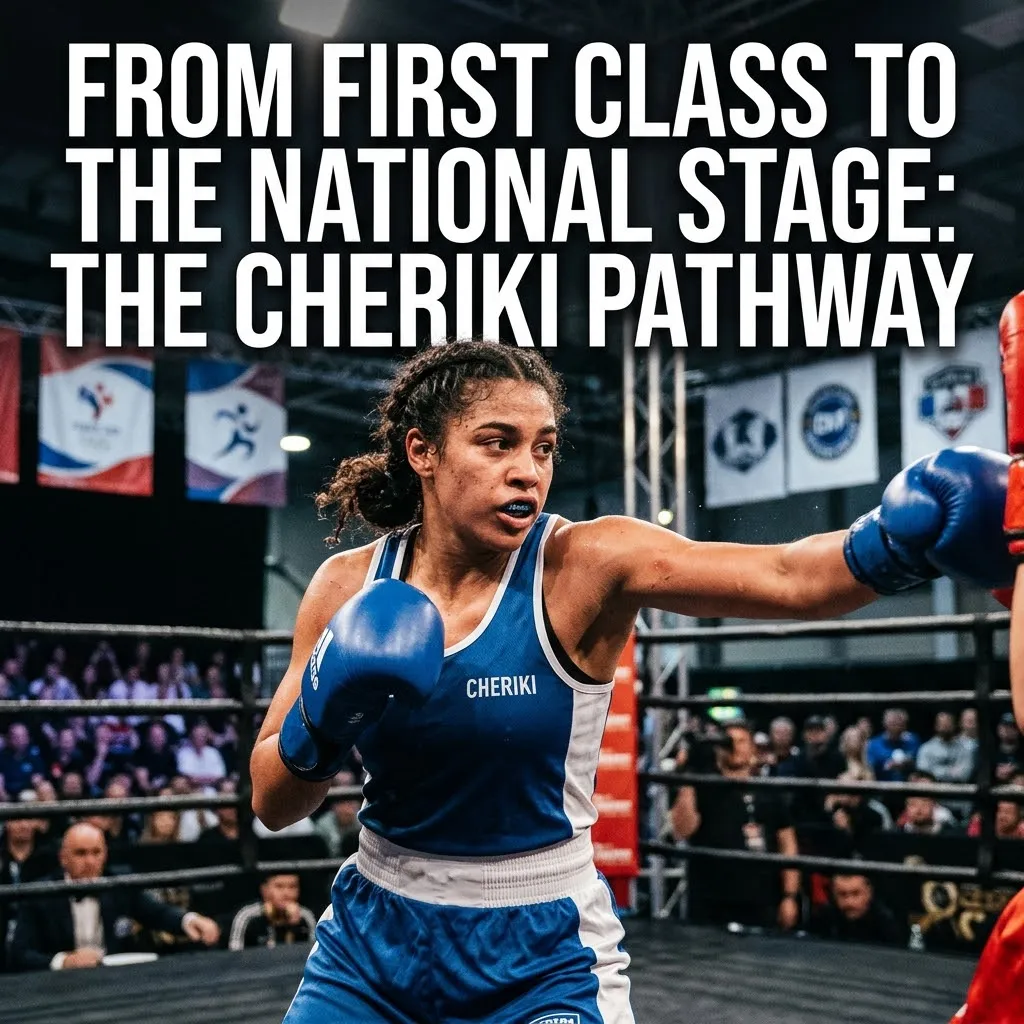
From First Class to the National Stage: The Cheriki Pathway
Every competitive boxer starts somewhere, and the journey toward becoming one of the Cheriki boxing champions begins with learning the fundamentals. For some athletes, that

Can You Start Boxing at 40? A Beginner’s Guide for Adults Over 30, 40 & 50
Many adults wonder whether it is too late to learn a new sport once they reach their thirties, forties or fifties. The question comes up

How to Join an Amateur Boxing Club in Ontario: From First Class to Nationals
Anyone researching how to start amateur boxing Ontario needs a clear understanding of the steps between joining a gym and entering a sanctioned competition. The